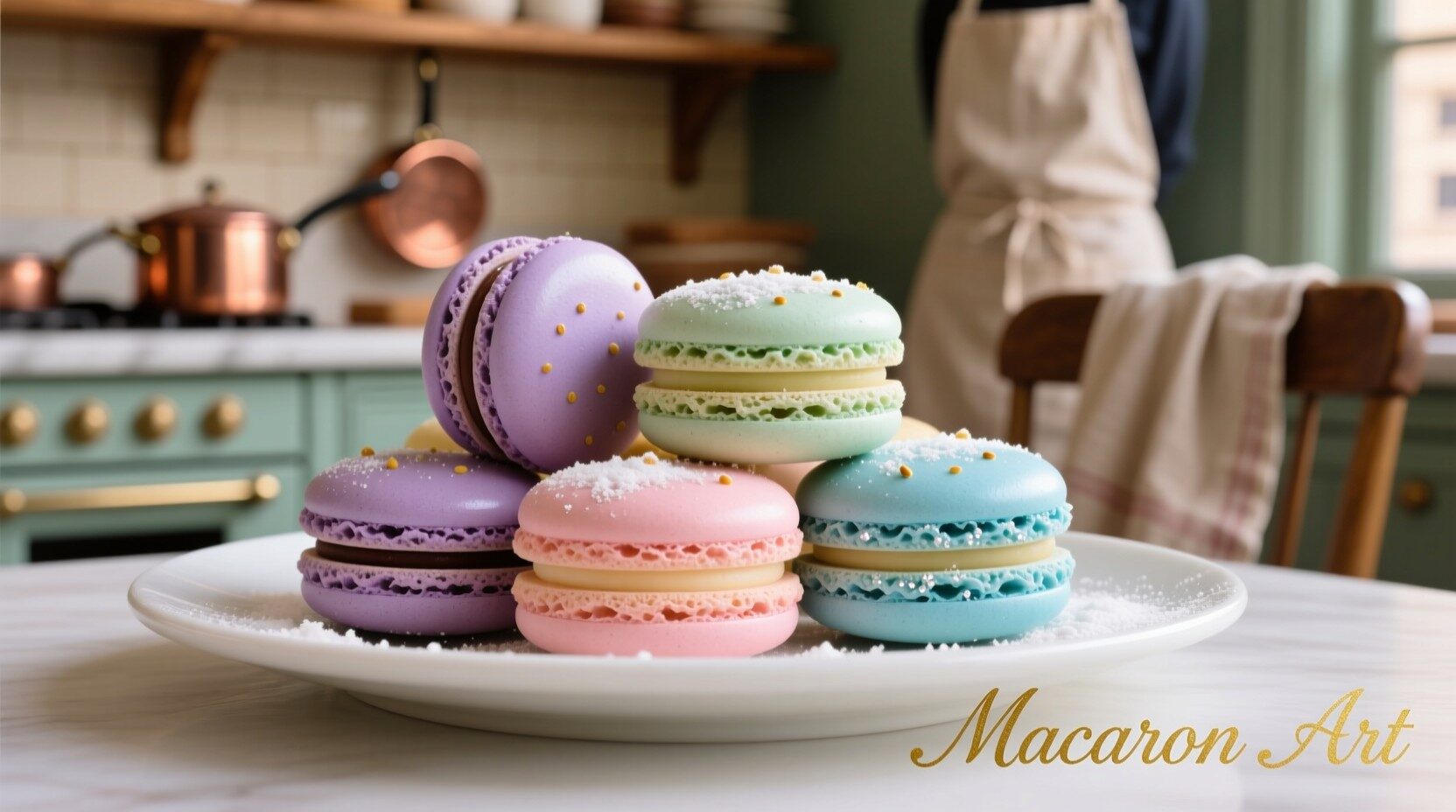
Baking macarons at home can feel intimidating—many amateur bakers report cracked shells, hollow interiors, or missing feet on their first attempts. But with patience and practice, homemade macarons are absolutely achievable—and deeply rewarding. The key lies in understanding the science: aging egg whites for 24–48 hours improves stability; sifting dry ingredients ensures smooth shells; and folding the batter to just the right consistency (like molten lava) prevents over- or under-mixing. While professional bakers use precise scales and ovens, home cooks can succeed with careful attention to detail. Start with a trusted recipe, weigh ingredients in grams for accuracy, and avoid opening the oven mid-bake. Once the shells are mastered, the fun begins: fillings are where personality shines. Swiss meringue buttercream, ganache, fruit curds, or even flavored cream cheese can transform your macarons into seasonal delights—think lemon-basil for spring, spiced pumpkin for autumn, or peppermint-chocolate for winter. Making macarons at home not only saves money compared to boutique prices, but also allows for full control over ingredients—ideal for reducing sugar, using organic butter, or accommodating dietary needs (e.g., gluten-free by default, or nut-free alternatives with sunflower seed flour). In a world of instant gratification, macarons remind us that some of life’s sweetest rewards come from slowing down, paying attention, and savoring the process.